





-
East Shore Electric, Inc
-
 Electrical Safety
-
 0 Comments
-
 April 30, 2026
Master Your Home’s Power with Panel Upgrades
Understanding Your Current Electrical Panel
Before considering an upgrade, it’s important to understand what your current system is designed to handle. Most older homes in Montana were built when electrical demands were significantly lower. Families used fewer appliances, had no home offices, and certainly weren’t charging electric vehicles overnight.
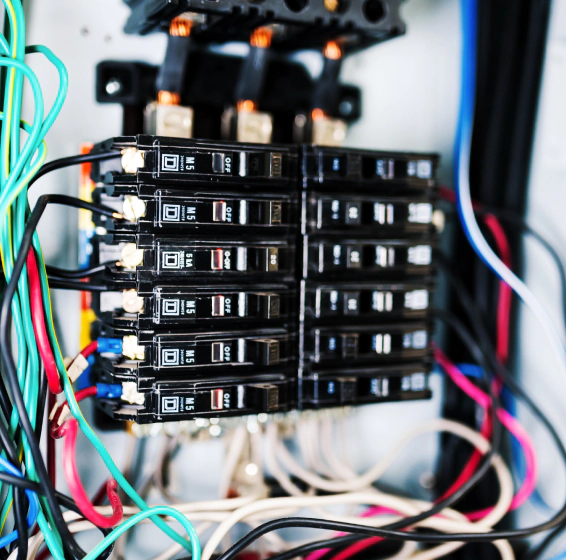
Your electrical service panel serves as the central distribution point for all the electricity entering your home. It divides the incoming power into separate circuits, each protected by a circuit breaker that automatically shuts off if the circuit becomes overloaded. The capacity of your panel is measured in amperes (amps), with most modern homes requiring at least 200 amps to function efficiently.
Walk over to your panel and take a look at the labeling. If you see a fuse box instead of circuit breakers, or if your panel is labeled 60 or 100 amps, your system is likely outdated for today’s electrical needs. Other warning signs include frequently tripping breakers, flickering lights when major appliances start, or the smell of burning plastic near the panel. These aren’t just inconveniences—they’re safety concerns that require immediate attention.
In Kalispell, we see many homes built in the 1970s and 1980s that still have their original 100-amp panels. While these worked fine when installed, they struggle to keep up with modern heating systems, kitchen appliances, and the electronics that fill today’s homes. Winter months place particular strain on these older systems as electric heating, space heaters, and increased indoor lighting all compete for available capacity.
Signs You Need an Upgrade
Your home will usually tell you when it’s time for a service upgrade, though the signals aren’t always obvious at first. One of the most common indicators is breakers that trip repeatedly, especially when you’re using multiple appliances at once. If you find yourself constantly resetting breakers or strategically timing when you use certain appliances to avoid overloads, your system is working beyond its intended capacity.
Dimming or flickering lights are another red flag. This often happens when a large appliance like an air conditioner or electric heater kicks on, momentarily drawing power away from your lighting circuits. While a brief flicker might seem harmless, it indicates that your system is struggling to distribute power evenly across all circuits.
Perhaps you’re planning a kitchen remodel or finishing your basement. Modern building codes require specific electrical standards for these spaces, and your current panel may not have the capacity or the available circuit slots to accommodate the additional load. Adding a hot tub, installing a home gym with treadmills and other equipment, or preparing for an electric vehicle charger are all projects that typically require a service upgrade.
Some signs are more subtle. If you notice warm or discolored outlets, hear buzzing sounds from your panel, or smell burning odors near electrical fixtures, these are serious safety concerns. Older panels, particularly certain brands manufactured between the 1950s and 1980s, have known defects that make them fire hazards. Insurance companies increasingly refuse to cover homes with these obsolete panels, making an upgrade not just a safety issue but a financial necessity.
For those adding solar energy systems, a panel upgrade is often required to handle the bidirectional flow of electricity and ensure safe integration with the grid.
Planning Your Upgrade Project
A successful panel upgrade begins with thorough planning. Start by calculating your home’s current and future electrical needs. List all major appliances, heating and cooling systems, electronics, and any planned additions. Each device has a specific amp draw, and tallying these up will give you a clear picture of the minimum service capacity you’ll need.
Most electricians recommend installing a 200-amp service for typical residential properties. This provides ample capacity for current needs plus room for future expansion. Larger homes, properties with extensive workshop equipment, or those planning to add electric vehicle charging and other high-demand features might require 400-amp service.
Budget considerations extend beyond just the panel itself. A complete upgrade includes the panel, circuit breakers, the meter base, the service entrance cable, and often the weatherhead where power enters from the utility lines. Labor costs vary depending on the complexity of the installation, the location of your panel, and whether any structural modifications are needed to accommodate the new equipment.
In Montana, weather plays a significant role in project timing. Winter installations are certainly possible, but they present challenges. Frozen ground makes trenching for new service lines more difficult, and extreme cold can affect certain materials and installation procedures. Spring through fall offers more favorable conditions, though scheduling during these busy seasons requires planning ahead.
Contact your local utility company early in the process. They’ll need to disconnect and reconnect power during the installation, and scheduling this service can sometimes take several weeks. Ask about any requirements they have for meter base placement, clearances, or specific equipment specifications. Getting these details right from the start prevents costly delays or modifications later.
Whether you’re working on a new construction project or upgrading an existing system, proper planning ensures the work meets both code requirements and your long-term needs.
Permits and Code Requirements
Electrical panel upgrades require permits in virtually every jurisdiction, and for good reason. The permit process ensures that work is performed to current safety standards and inspected by qualified officials. Attempting to bypass this process creates serious liability issues, can void your homeowner’s insurance, and will certainly complicate any future sale of your property.
The National Electrical Code (NEC) provides the foundation for electrical safety standards across the country, but local jurisdictions often adopt specific amendments or additional requirements. Montana follows the NEC with some state-specific modifications, and individual cities may have additional local codes. Working with a licensed electrician familiar with regional requirements ensures your project meets all applicable standards.
The permit application typically requires detailed plans showing the proposed panel location, service capacity, circuit layout, and grounding system. Your electrician should handle this paperwork as part of their service. Once submitted, the building department reviews the plans and issues the permit, usually within a few days to a couple of weeks depending on their workload.
Inspections happen at specific stages throughout the project. An initial inspection often occurs after the new panel is mounted but before circuits are connected, allowing the inspector to verify proper installation of the panel, grounding system, and service entrance. A final inspection takes place once all circuits are connected and the system is energized, confirming that everything operates safely and meets code requirements.
Failed inspections aren’t uncommon, especially with complex installations. Common issues include improper grounding, insufficient working clearances around the panel, incorrect wire sizing, or missing labels. A qualified electrician knows what inspectors look for and gets it right the first time, saving you the hassle and expense of corrections and re-inspections.
Documentation from your permit and inspections becomes part of your home’s permanent record. Future buyers and insurance companies will want to see this paperwork, confirming that work was performed legally and safely. Keep copies in a safe place along with your other important home documents.
The Installation Process
Understanding what happens during installation helps you prepare your home and family for the work ahead. A typical panel upgrade takes one to three days, depending on the complexity of your existing system and the scope of changes required. Your power will be disconnected during portions of the work, so plan accordingly for activities that require electricity.
The utility company arrives first to disconnect power at the meter. This is a critical safety step that ensures no electricity flows through the system while your electrician works. Depending on your utility’s schedule, this might happen early in the morning, so be prepared for an early start to the day.
With power safely disconnected, the electrician removes the old panel and any outdated components. This often reveals hidden issues like corroded wiring, improper connections from previous work, or damage that wasn’t visible before. Experienced electricians anticipate these surprises and come prepared to address them, but occasionally unexpected problems require additional materials or time.
The new panel goes up in a location that meets current code requirements for clearances and accessibility. Modern codes require specific amounts of working space in front of and around panels, and older installations don’t always meet these standards. Sometimes the panel needs to move to a new location, which adds complexity but ensures long-term code compliance and safety.
Once the panel is securely mounted, the electrician installs the new circuit breakers and begins connecting circuits. Each circuit receives proper identification, both at the panel and ideally at the fixture or outlet it serves. This labeling might seem like a minor detail, but it proves invaluable during future electrical work or in emergency situations when you need to quickly shut off power to a specific area.
Grounding and bonding receive special attention during installation. These safety systems provide a path for fault currents to safely dissipate, protecting you from electrical shock and reducing fire risk. The electrician verifies proper connections to grounding electrodes, bonding of metal water pipes and gas lines, and correct installation of ground fault circuit interrupters where required.
After all circuits are connected and secured, the electrician calls for inspection. Once the inspector approves the work, the utility company returns to reconnect power. The electrician then tests each circuit, verifying proper voltage, checking for correct operation of all breakers, and ensuring that everything functions as designed.
For those requiring specialized installations like standby generator systems or whole-home surge protection, these components integrate seamlessly with your upgraded panel, providing enhanced reliability and safety for your entire electrical system.
East Shore Electric, Inc. has helped countless property owners through the panel upgrade process, bringing decades of experience to each installation. Our licensed electricians understand the unique challenges that Montana homes present, from older construction methods to the specific demands of our climate. We handle every aspect of the project, from initial assessment and permit applications through final inspection and utility coordination, ensuring a smooth process and a system that serves your needs reliably for years to come. When you’re ready to upgrade your electrical capacity, our team is here to guide you through each step with professionalism and attention to detail.
